

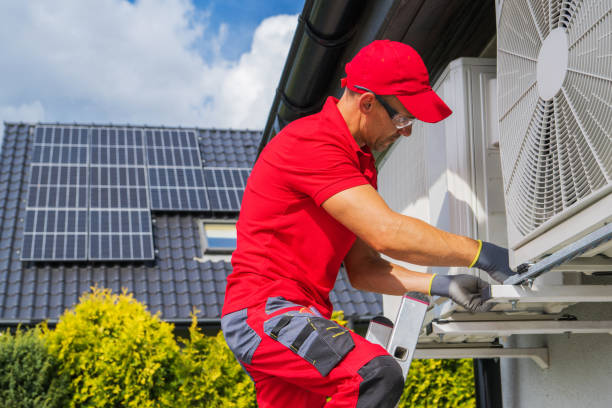

Comfort should not require an HVAC system to run harder than necessary. Small changes in airflow, thermostat habits, equipment care, and home sealing can lower wasted energy while helping rooms stay more even. Better efficiency also gives heating and cooling equipment an easier job, which can reduce wear and make comfort more predictable.
Start With Airflow Before Blaming the Equipment
Restricted airflow can make a healthy HVAC system act tired, noisy, and inefficient. Dirty filters, blocked return grilles, closed supply vents, dusty blower wheels, and crushed duct sections all reduce air moving through the house. Less airflow means longer cycles because the system struggles to deliver enough conditioned air to each room. Homeowners looking for HVAC near me often assume weak comfort means a major mechanical problem, yet airflow should be checked first. Proper filter sizing matters too, since an overly restrictive filter can create pressure problems even when it looks clean. Technicians can measure static pressure and temperature changes to see whether the system moves air properly.
Give the Thermostat a Smarter Daily Routine
Thermostat settings directly affect how long heating and cooling equipment runs. Large temperature swings can force long recovery cycles after the home becomes very hot or cold. Programmable and smart thermostats can reduce unnecessary runtime by adjusting temperatures around sleep, work, and household schedules. Sensible setbacks work better than extreme ones because the equipment does not have to race back to comfort later. Families comparing heating and cooling near me services can also ask whether thermostat location is hurting accuracy. Sunlight, kitchen heat, drafts, and nearby electronics may cause false readings that make the system cycle at poor times.
Seal the Leaks That Send Conditioned Air Into Hiding
Duct leakage can waste heated or cooled air before it reaches the living space. Gaps around joints, loose connections, damaged flex duct, and poorly sealed boots may push conditioned air into attics, crawlspaces, or wall cavities. Escaping air changes duct pressure and can pull dusty or unconditioned air through other leaks. An evaluation of HVAC Lebanon TN equipment should include duct condition when comfort differs sharply between rooms. Sealing accessible leaks with approved materials can improve delivery without increasing equipment capacity. Improved duct performance may shorten cycle times because more conditioned air reaches the rooms where people spend time.
Keep Outdoor Equipment Clear Enough to Release Heat
Outdoor units need open space to move air across the condenser coil. Grass clippings, leaves, dirt, fencing, and overgrown shrubs can restrict airflow and make the compressor work under higher pressure. Extra strain becomes especially noticeable during hot weather, when the system already has to remove heat from the home. Regular visual checks can catch buildup before it becomes a performance problem. Residents should avoid pressure washing the coil, since strong water can bend delicate fins. Booking HVAC service near me can include coil cleaning, fan inspection, electrical testing, and a check for adequate clearance around the unit.
Insulation and Air Sealing Reduce the Load Before It Starts
Efficiency improves when the house holds conditioned air instead of constantly replacing it with outdoor heat or cold. Attic insulation, weatherstripping, sealed penetrations, and properly fitted doors can reduce how often the HVAC system cycles. Air leaks around recessed lights, plumbing openings, attic hatches, and window frames may seem small, but together they can create unwanted heat transfer. Energy improvements also help heating and cooling in Lebanon TN systems maintain steadier indoor temperatures during weather swings. A tighter building envelope does not replace HVAC maintenance, but it lowers the workload the equipment must handle. Lower demand can improve comfort while reducing energy use across the season.
Why Coil and Blower Cleanliness Changes More Than Air Quality
Dust on an evaporator coil does more than make the equipment look dirty. Buildup creates a barrier that slows heat transfer, while debris on a blower wheel can reduce how much air the fan moves. Both conditions can increase runtime and make humidity control less effective during cooling season. Clean components help the system exchange heat closer to its intended design. Routine service can also uncover drainage issues, motor wear, and early electrical trouble while technicians have the cabinet open. Households using heating and cooling in Lebanon TN benefit from keeping these hidden parts clean because small performance losses can add up over months of regular use.
Seasonal Service Keeps Efficiency From Sliding a Little at a Time
Mechanical efficiency often falls through several small changes rather than one dramatic failure. Loose electrical connections, weakening capacitors, dirty burners, worn contactors, refrigerant leaks, and drifting thermostat calibration can each make the system work harder. Twice-yearly maintenance gives technicians a chance to find those changes before peak summer or winter use exposes them. Affordable Heating and Cooling offers seasonal HVAC service for homeowners who want their equipment checked for airflow, electrical performance, controls, coil condition, and other efficiency concerns. Their team also serves homeowners looking for HVAC Lebanon TN support and heating and cooling in Lebanon TN service when comfort problems point to repairs, maintenance, or system adjustments.