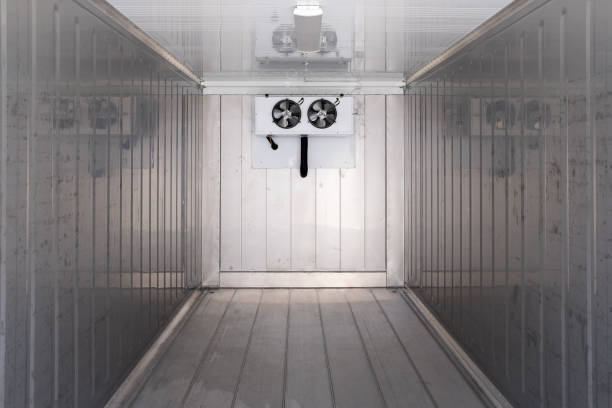
Getting items in and out of a shipping container can be more challenging with the floor positioned high above ground level. The right ramp allows forklifts, as well as other handling equipment, to get goods on and off the ground and container floor without any hassles. Refrigerated containers, however, come with their own set of features impacting design and utilisation on ramps.
What depends on is the ramp type depends upon container type and how you loading, what space you are available, and weight of loads. Distinguishing between the two can aid businesses in improving safety and minimising delays.
What is in a Standard Container Ramp?
A standard container ramp provides entrance into a delivery box for acquiring good from and highly valued items. What it does is, make a slope from the ground to the floor of your container.
These types of ramps are found at warehouses, distribution centres, transport yards, and industrial sites. When designed for the existing load and working conditions, they can allow access to forklifts.
A proper container ramp should provide a solid surface, sufficient width for the machinery involved, and be safely connected to the entry of the container. Your load rating should consider the items being moved, as well as the forklift and operator.
Refrigerated containers that Require Special Treatment
Reefers or refrigerated containers are designed to maintain temperature-sensitive goods in a regulated environment. Insulation, door types, and refrigeration equipment all can impact how loading areas are arranged.
A refrigeration container ramp can be made for whichever reefer setup. Considerations have been to door clearance, flooring height, access around refrigeration components, and container position.
These do not control the container temperature itself, but rather control the ramp. But if you minimise the time that doors are left open, it can help with temperature management during handling.
Key Differences to Consider
While either give access, which is better really boils down to the site and how you design your container.
Important factors include:
- Height and fit: The ramp needs to be the same height as the container floor and should match where you enter the goods.
- Load capacity: The load (forklift + max-combined-load) must be carried safely.
- Surface grip: A proper non-skid surface reduces wheel slip danger.
- Positioning: This is also where the ramp has to properly engage with container opening in manner that it sits snug.
- Use of space: There should be sufficient space for operators to arrive, spin, and leave safely.
When it involves refrigerated containers, these includes a number of examinations more in depth the clearance across the doors and any appliance nearby. Standard containers can also have limits of access based on the site so never assume that ramp will work for every container.
Safety During Loading and Unloading
Prior to each use, inspect the ramp for damage, loose components, and wear on the surface. Ensure that it is correctly rated for the equipment and load you intend to use with it.
Fasten the ramp per manufacturer instructions. While a fork-lift is moving, keep people clear and train operators to go on the ramp in a safe speed. Do not make sudden turns or sharp braking suddenly, and do not carry loads that obstruct the operator line of sight.
Weather matters, too. Rain, dirt, and other contaminants are factors affecting traction, therefore, always keep the ramp surface clean and ready for use.
Selecting an Appropriate Ramp for Your Operation
For more generalised freight handling, a standard ramp may suffice while in the case of a refrigeration container ramp. It is important to consider not only the floor plan itself but also how units need to be accessed.
Compare specs, load ratings, materials, and safety features before you purchase. Review manufacturer’s specifications and ensure ramp will work with your container and forklift.
The proper container ramp can speed up the process of loading, but only when it is fit for purpose. Therefore, careful selection and frequent inspection can assist towards safer as well as much more dependable container-handling.