

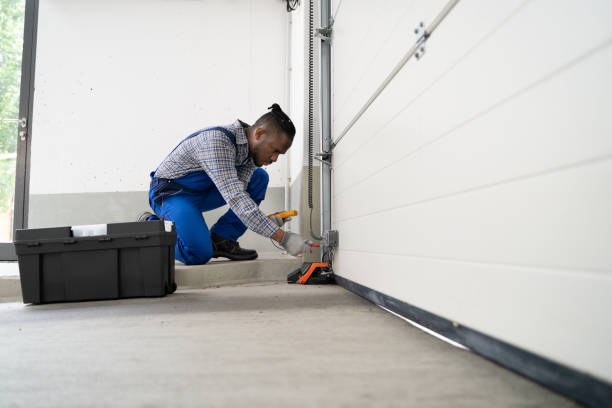

It is frustrating to watch a garage door reach the floor, only to lift itself back up a few seconds later. The problem can leave a home exposed even though the door appears to close normally at first. Several mechanical and electrical issues can cause this behavior, and the timing of the reversal often helps identify what needs attention.
The Opener May Think the Floor Is an Obstruction
Automatic garage door openers have travel limits that tell the motor where to stop. If the closing limit extends too far, the opener may continue pushing after the bottom seal touches the floor. This creates resistance that can trigger the safety reversal system, sending the door back up even though nothing blocks its path.
Changes to the bottom weather seal, floor surface, or opener settings can affect where the door stops. A thicker replacement seal, for example, may cause the door to meet resistance earlier than before. Technicians can check the travel limits and closing force to determine whether the opener needs adjustment or whether another part is causing the problem.
Could the Safety Sensors Be Losing Their Signal?
Photo-eye sensors sit near the floor on opposite sides of the garage opening. They create an infrared beam that prevents the door from closing on people, pets, or objects. Dirty lenses, loose mounting brackets, or damaged wiring can interrupt that signal and cause the opener to reverse during closing. Sensor-related problems usually occur before the door reaches the floor, although intermittent faults may make the timing seem unpredictable. Homeowners searching for a garage door repairman near me can request sensor testing when cleaning and checking for obvious obstructions do not resolve the issue. Persistent faults may require wiring repairs or sensor replacement.
Worn Rollers and Tight Tracks Can Trigger a Reversal
A garage door needs to move freely through its tracks for the opener to operate correctly. Bent track sections, damaged rollers, and loose hinges create resistance as the panels travel downward. If that resistance exceeds the opener’s safety threshold, the motor may reverse before completing the closing cycle.
Friction problems often produce other warning signs. Scraping noises, shaking panels, or a door that slows at the same point can indicate damaged hardware. Technicians inspect roller movement, track alignment, and hinge condition before adjusting the opener. Increasing motor force without correcting the mechanical problem can damage components and interfere with the door’s safety functions.
An Unbalanced Door May Be Working Against the Opener
Garage door springs help offset the weight of the panels, making the door easier to raise and lower. Incorrect spring tension can upset this balance and affect how the door moves. Excessive lifting force may cause the door to resist closing, while weakened springs can overload the opener during opening. Either condition deserves attention, even if the door occasionally completes a normal cycle.
Replacing garage door spring components requires selecting the correct spring size and lifting capacity for the door. Professional technicians also check cables, drums, and related hardware before making adjustments. A spring problem should never be treated as a simple do-it-yourself repair because these components store substantial mechanical energy.
Could the Wall Button or Remote Be Sending Another Command?
A door that closes completely and then opens again without an obvious reversal may be receiving an unwanted command. A sticking wall control, faulty remote button, or electrical problem can sometimes cause unexpected operation. Intermittent wiring faults may also affect how the opener responds to control signals.
Modern openers have different control systems, so troubleshooting depends on the model. Technicians may inspect wall-control wiring, test remote operation, and review available diagnostic indicators. During garage door installation or opener replacement, proper wiring and control setup help reduce these problems. Unexpected opening should not be ignored, particularly when the garage connects directly to the home.
Finding the Cause Before Replacing the Entire System
A garage door that refuses to stay closed does not automatically need replacement. Incorrect travel settings, damaged sensors, worn rollers, and control faults may all be repairable. The important distinction is whether the door reverses while closing, immediately after contacting the floor, or several moments after completing its cycle. Each pattern points toward different possible causes.
For homeowners looking for an overhead door company near me, Snappy Doors serves Huntsville and nearby North Alabama communities with garage door repair, installation, and opener services. A technician can examine the closing mechanism, test the safety equipment, and check for electrical or mechanical faults. Identifying why the door keeps reopening helps determine the appropriate repair without replacing parts that still work properly.