

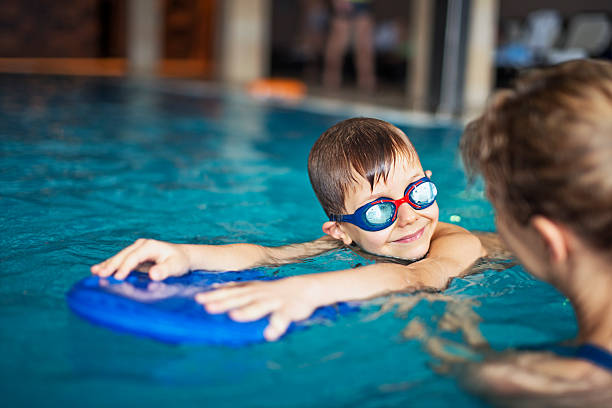

Splashing in the pool can be one of the first ways babies experience water outside the bathtub. Parents often use toys, gentle movements, and playful interactions to help their little ones feel comfortable. While these activities have value, structured infant swim lessons introduce a different approach that combines water familiarization with guided activities suited to early childhood development.
Water Play Lets Babies Discover Water at Their Own Pace
Casual water play gives infants opportunities to experience new sensations without following a set routine. Parents might gently move their babies through shallow water, introduce floating toys, or allow them to splash with their hands. These interactions help babies become familiar with water temperature, movement, and the feeling of being supported in a pool. Enjoyment and comfort usually take priority over learning specific swimming movements.
Parents also control how long each activity lasts and can respond immediately when their babies show signs of discomfort. A child who enjoys splashing might become upset when water touches the face. Rather than pushing through the reaction, caregivers can return to familiar activities. This flexibility makes recreational water play useful for positive early experiences, provided an adult maintains constant physical contact and supervision.
Structured Lessons Follow a Planned Learning Sequence
Professional infant swim lessons introduce activities in a planned order based on a child’s age, comfort, and physical development. Instructors may begin with supported movement before introducing gentle floating, reaching exercises, and familiarization with water near the face. Each activity has a purpose, even when it resembles an ordinary game.
Unlike casual play, structured swimming lessons allow instructors to observe how babies respond across multiple sessions. They can adjust activities when a child becomes uncomfortable or needs more time with a particular movement. The goal is gradual familiarity and age-appropriate development, not expecting infants to swim independently before they are physically ready.
Why Parent Participation Matters During Infant Classes
Babies depend on familiar adults for comfort, especially in unfamiliar surroundings. Many infant swimming programs involve parents holding and supporting their children while instructors demonstrate safe movements. This arrangement allows babies to remain close to someone they recognize while experiencing guided activities.
Caregivers also learn practical handling techniques, including how to support the head and body during movement. Proper positioning helps infants remain comfortable without placing unnecessary pressure on their necks or limbs. Instructors may demonstrate ways to change direction, move toward the pool wall, or respond when a baby becomes distressed.
These skills can improve how parents manage recreational pool time outside formal classes. However, participation in lessons does not make infants safe around water without direct adult supervision.
Water Confidence Is Different From Swimming Ability
An infant who enjoys being in a pool has not necessarily developed the ability to respond safely to an unexpected fall into water. Water confidence describes comfort with aquatic surroundings, while independent swimming requires motor skills, coordination, and physical control that develop later.
Early lessons can encourage positive reactions to water, but parents should avoid treating familiarity as proof of safety. Even children who have attended several classes need constant, close supervision. Pool barriers, secure access points, and appropriate adult attention remain necessary regardless of swimming experience.
How Instructors Use Play to Teach Specific Movements
Structured programs still include songs, floating toys, and playful exercises, but instructors connect these activities to particular learning goals. Reaching toward a toy can encourage arm movement, while supported kicking introduces coordinated leg motion. Gentle movement through water may also help babies become accustomed to changes in body position.
The difference lies in how instructors select and adjust each activity. Rather than repeating games solely for entertainment, they observe whether children remain relaxed, respond to guidance, and show readiness for new experiences. Parents comparing swimming classes near me can ask how programs balance playful interaction with age-appropriate instruction and safety practices.
Choosing Between Recreational Play and Formal Instruction
Families do not need to choose one approach exclusively. Recreational water play offers opportunities for relaxed parent-child interaction, while organized classes provide guidance from instructors familiar with early aquatic development. The appropriate starting point depends on the child’s age, health, comfort, and the program’s requirements.
For parents considering Huntsville swimming lessons, Safe Splash Huntsville offers parent-child swimming programs that introduce young children to water through supervised, age-appropriate activities. Families interested in its infant and toddler classes can learn more about how instructors guide early water experiences, support caregiver participation, and introduce basic aquatic movements. This makes the school a local option for parents who want more structure than ordinary pool play while keeping their baby’s comfort and safety at the center of each session.