

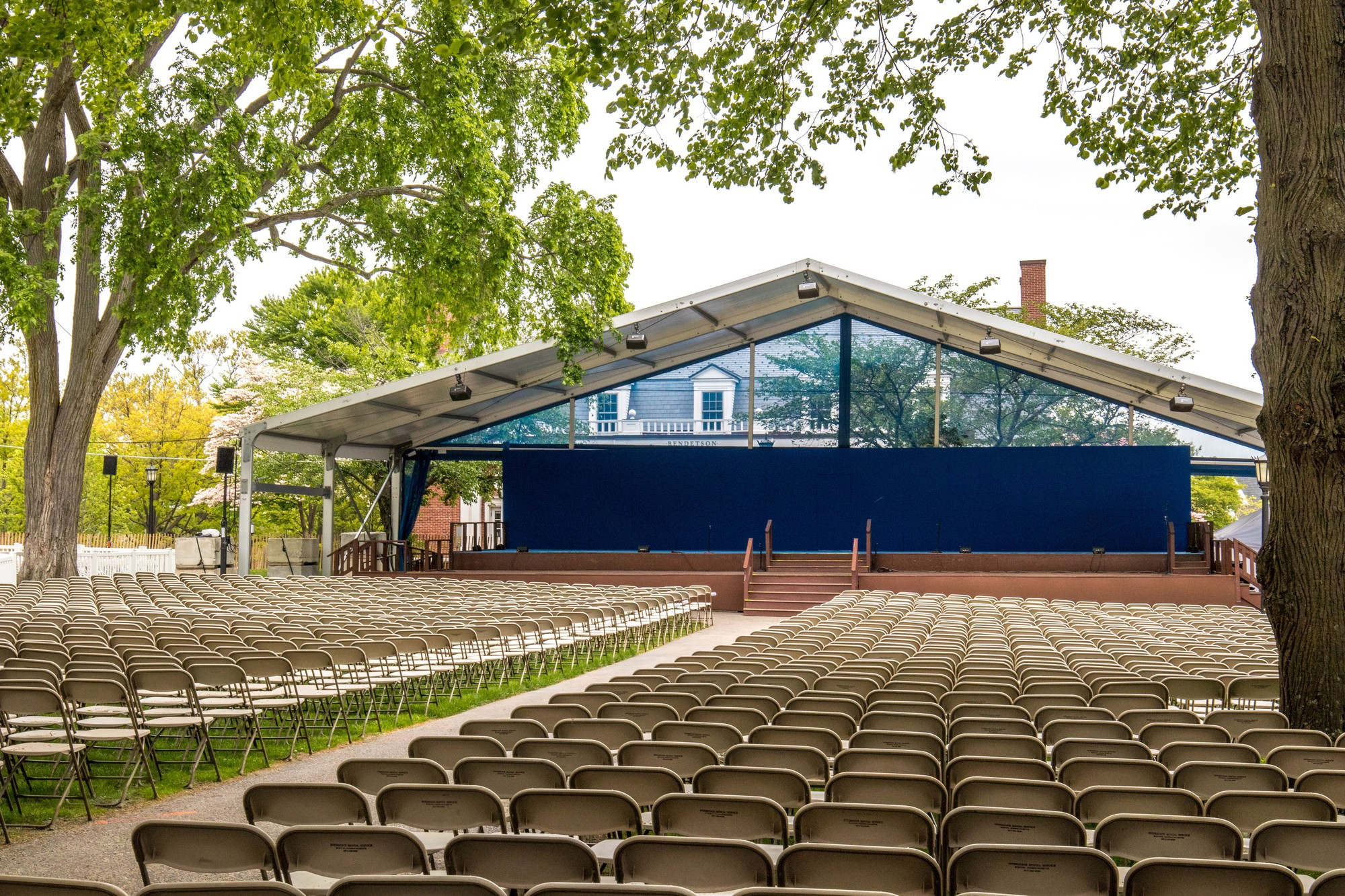

Are you managing a business event or conference but do not know where to start? Planning a successful outdoor event requires a proactive strategy, precise execution, and meticulous organization. It is undoubtedly an exciting and overwhelming venture, but with the right strategies, you can easily create a successful event.
Whether you are planning a large-scale conference, celebratory annual dinners, or a networking gala, making foundational choices such as venue, pole tents, catering, and logistics is crucial. Let’s discuss it in the section below
Choose The Event Venue
The location of your event sets the mood. Especially for outdoor events, management departments must take the proper time to choose the right event venue. Making a list of your guests and exploring options that offer beautiful outdoor settings and seating arrangements is very important.
It is also crucial to leave room for almost 10 more people than you are expecting and prepare accordingly. It is important to keep the gathering spacious and airy and avoid overcrowding. Considering the guests’ geographical distance and accessibility should also be on your list. Additionally, checking the exit walkways, parking spaces, and nearby amenities also contributes to the success of your event
Invest In Commercial Event Structures
Outdoor event planning requires a multi-layered approach to create a memorable event. The event management teams must invest in incorporating commercial event structures. The standard temporary setups are neither the safest nor the most suitable options for hosting outdoor event gatherings. The premium, durable event structure brings style and comfort to your event.
These event structures come in various shapes and sizes to suit your preferences. There are several options, including pole tents, structured frames, and cross-cable tents. Invest in the one that suits your gathering size and requirements. These high-quality engineered tents protect your guests from unpredictable weather conditions and give an organized atmosphere to the event
Plan Catering and Refreshments
Moving forward, one thing that should not be avoided at any event is the food and refreshments. The event management team should always pay close attention to this when planning a business or conference event. Different events require different types of food; for example, at an annual dinner, the options and menu should differ from those you’ll offer at a conference.
Taking this into account and selecting caterers that offer a wider range of food, including gluten-free, dairy-free, and vegan options, can drastically enhance the atmosphere of your event, making it more inclusive. Offering refreshments midway through events also keeps guests engaged and more active.
Coordinate Event Staff and Logistics
Finally, coordination and transparent communication should always be part of your event planning. Various departments and teams come together to execute a successful effort for your business. It’s important that you hire a professional team that understands the huge responsibility and offers tailored solutions to all the problems.
The management team should create a list of appropriate timekeepers, book catering, and ensure there is a service beforehand to avoid last-minute panic and stress. You should also know about various other things, such as vendors’ arrival times, equipment delivery, speakers, and the audio system. It keeps the event running smoothly from the initial phases to the end.