

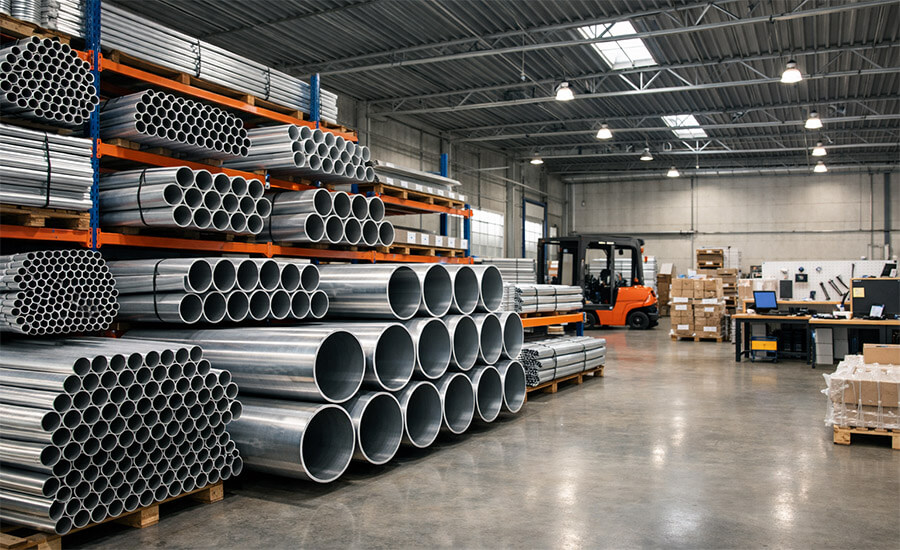

Aluminum is one of the most widely used industrial materials in the world, and the quality of your supplier relationship has a direct impact on your production outcomes. Whether you are sourcing sheet, plate, extrusions, or custom profiles, working with the right supplier ensures consistent material quality, reliable lead times, and the technical support needed to keep operations running smoothly.
Knowing what to look for before committing to a supplier can save considerable time, cost, and frustration down the line.
Why Not All Aluminum Supply Relationships Are Created Equal
The aluminum supply market ranges from large commodity distributors to specialist suppliers with deep technical expertise and custom capabilities. A commodity distributor may offer competitive pricing on standard stock items but provide little support when non-standard specifications or tight tolerances are required.
A specialist supplier brings material knowledge and problem-solving capability that adds genuine value beyond price. Understanding which type of supplier your operation needs is the first step in sourcing effectively.
The Key Questions to Ask Before Placing Your First Order
Before committing to any supplier, there are several critical questions worth asking. What quality certifications do they hold, and can they provide mill test certificates with each shipment? What alloys and tempers do they stock, and what is their lead time for non-stock items? How do they handle quality disputes or delivery failures?
A reputable aluminum supplier will answer these questions confidently and provide documentation to back up their claims, giving you the assurance you need before placing significant orders.
How Material Traceability Protects Your Production and Reputation
In many industries, being able to trace a material back to its original mill certification is not optional, it is a regulatory requirement or a customer expectation. A reliable supplier maintains full traceability records for every shipment, linking each piece of material to its heat number, chemical analysis, and mechanical test results.
This documentation chain is essential for aerospace, defence, medical, and automotive applications where material failures can have serious safety and liability consequences.
Balancing Cost, Quality, and Lead Time in Your Supplier Decision
The lowest-price supplier is rarely the best-value supplier when the total cost of ownership is considered. Quality rejections, production delays caused by late deliveries, and the administrative overhead of managing supplier failures all have real costs that erode the apparent savings from a cheap purchase price.
The most cost-effective supplier delivers the right material, on time, every time, with the documentation and support your operation requires. Evaluating suppliers on total value rather than unit price leads to better long-term outcomes.
Building a Partnership That Supports Your Long-Term Growth
The best supplier relationships evolve into genuine partnerships. A supplier who understands your production requirements, forecasting cycles, and quality standards can provide proactive support that helps you operate more efficiently.
They may offer blanket order arrangements that reduce your inventory carrying costs, or flag upcoming alloy availability issues before they affect your production schedule. Investing in a strong supplier relationship pays dividends that extend well beyond any single transaction.
Conclusion
Choosing an aluminum supplier is a decision that shapes the reliability and efficiency of your entire supply chain. Taking the time to evaluate candidates thoroughly, ask the right questions, and look beyond price to overall value ensures that you build a supplier relationship capable of supporting your business as it grows and evolves.