

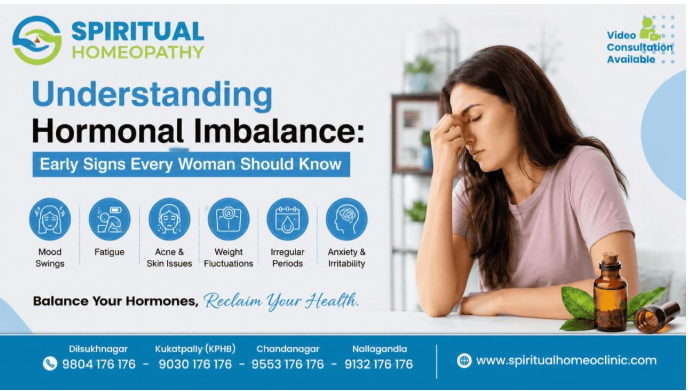

Have you ever woken up feeling completely exhausted, despite getting a full eight hours of sleep? Or perhaps you’ve noticed your hair thinning, your skin breaking out unexpectedly, or your moods shifting like the weather, leaving you wondering where your usual energy went.
For many women, these experiences are not just random daily frustrations. They are the body’s subtle, whisper-quiet ways of signaling a deeper disruption in Women’s Hormonal Health.
Hormones act as the body’s chemical messengers. They travel through the bloodstream, directing vital processes like metabolism, sleep cycles, reproduction, and emotional well-being. When these delicate chemical systems fall out of sync, even slightly, it can trigger a cascade of uncomfortable hormonal imbalance symptoms.
Recognizing these red flags early can empower you to take proactive steps toward recovery, restoring vital balance before minor symptoms develop into chronic health issues.
The Chemical Symphony: How Hormones Govern Women’s Health
To truly understand what happens when our internal chemistry goes awry, it helps to view the endocrine system as a finely tuned orchestra. Every gland—whether the thyroid in your neck, the adrenals sitting above your kidneys, or the ovaries—plays a specific instrument.
When hormonal changes in women occur naturally during life milestones like puberty, pregnancy, postpartum, and menopause, the orchestra adjusts its tempo seamlessly. However, modern lifestyle stressors, poor dietary choices, endocrine-disrupting chemicals, and underlying medical conditions can cause certain instruments to play too loudly or completely out of tune.
The two primary conductors of this feminine orchestra are estrogen and progesterone. Estrogen governs the first half of the menstrual cycle, building up the uterine lining and boosting energy and mood. Progesterone takes over the second half, acting as a natural calming agent that prepares the body for potential pregnancy and promotes restful sleep.
When the ratio between these two hormones tilts—a common clinical phenomenon known as estrogen dominance—or when cortisol (the stress hormone) overrides them both, your health can experience significant disruption.
7 Early Signs of Hormonal Imbalance You Shouldn’t Ignore
Hormonal disruptions rarely announce themselves with sudden, dramatic medical emergencies. Instead, they begin with quiet warnings that are easy to brush off as “just a busy week” or “getting older.” Paying close attention to these seven early indicators can provide valuable insight into your endocrine health.
- Unexplained Weight Gain and Stubborn Belly Fat
If you are eating well, exercising consistently, and still watching the scale climb, hormones may be at play. High levels of cortisol can signal the body to store visceral fat around the abdominal organs.
Similarly, an underactive thyroid (hypothyroidism) slows down your basal metabolic rate, making weight management incredibly difficult. Insulin resistance—a core component of PCOS symptoms—also impairs how your body converts glucose into energy, causing fat storage rather than calorie burning.
- Persistent, Deep Fatigue and Brain Fog
We all experience tired days, but hormonal fatigue leaves you feeling drained even after a restful night. Progesterone imbalances can disrupt your slow-wave sleep architecture, leaving you waking up unrefreshed.
Furthermore, drops in estrogen can affect neurotransmitters in the brain, leading to that frustrating, hazy feeling known as “brain fog,” where focusing or remembering simple tasks feels like an uphill battle.
- Stubborn Hormonal Acne and Skin Changes
Unlike the occasional pimple from a skipped skincare routine, hormonal acne typically manifests as deep, painful cystic bumps along the jawline, chin, and neck. This pattern usually points to an excess of androgens (male hormones like testosterone) or a sharp drop in estrogen right before your period. Elevated androgens stimulate the sebaceous glands to produce excess sebum (oil), which clogs pores from the inside out.
- Irregular, Painful, or Heavy Periods
Your menstrual cycle is a direct reflection of your overall health. Cycles that arrive unpredictably, skip months entirely, or present with debilitating cramps and heavy bleeding are clear signs of ovulation issues.
Anovulatory cycles (cycles where an egg isn’t released) prevent the production of progesterone, leaving estrogen unchecked. This can cause the uterine lining to overgrow, resulting in heavy, painful periods.
- Sudden Mood Swings, Anxiety, and Irritability
Estrogen has a direct impact on biochemical pathways in the brain, including the production of serotonin—the “feel-good” neurotransmitter. When estrogen levels fluctuate wildly or drop sharply, serotonin levels crash along with them. This rapid biochemical shift can trigger sudden bouts of tearfulness, unprovoked anger, or overwhelming anxiety that feels entirely out of character.
- Disrupted Sleep Patterns and Night Sweats
Do you find yourself wide awake at 3:00 AM, tossing and turning with your mind racing? High nighttime cortisol levels can interfere with melatonin production, preventing you from falling into deep sleep. Additionally, declining estrogen can disrupt the hypothalamus—the body’s internal thermostat—causing sudden hot flashes and night sweats that break your sleep cycle.
- Thinning Hair or Unusual Hair Growth
Hair thinning, especially along the part line or near the temples, can indicate thyroid issues or a high level of dihydrotestosterone (DHT), a byproduct of testosterone. Conversely, if you notice coarse, dark hair growing on your upper lip, chin, or chest, it may point to elevated androgen production, a primary characteristic of polycystic ovary syndrome.
Decoding Root Causes: A Comparative Look at Key Conditions
When evaluating early signs, it helps to understand that different patterns of symptoms point toward distinct underlying physiological issues.
The comparison table below highlights the differences between three of the most common conditions affecting women today: Polycystic Ovary Syndrome (PCOS), Hypothyroidism, and Estrogen Dominance.
| Feature / Symptom | Polycystic Ovary Syndrome (PCOS) | Hypothyroidism (Low Thyroid) | Estrogen Dominance |
| Primary Hormone Shift | Elevated Androgens & Insulin | Deficient T3 & T4 Hormones | High Estrogen relative to Progesterone |
| Menstrual Pattern | Irregular, infrequent, or absent periods | Heavy, prolonged, or frequent cycles | Heavy periods with severe PMS and clotting |
| Weight Changes | Gain around abdomen; highly resistant | Generalized weight gain; fluid retention | Gain around hips, thighs, and lower abdomen |
| Skin & Hair Signs | Severe jawline acne; hirsutism (facial hair) | Dry, coarse skin; outer eyebrow thinning | Fibrocystic, tender breasts; bloating |
| Energy & Mood | Energy crashes linked to blood sugar | Constant, heavy lethargy; depression | Irritability, anxiety, and sharp mood swings |
Understanding these distinctions helps shift the approach from merely suppressing isolated symptoms to identifying and addressing the specific root cause behind them.
Conventional vs. Holistic Approaches to Hormonal Health
When seeking a hormonal imbalance treatment, women generally find themselves choosing between two different medical philosophies: the conventional approach and the holistic approach.
| Hormonal Balance Approaches | |
| Conventional Method | Holistic Method |
| Synthetic Hormones | Root-Cause Resolution |
| Symptom Suppression | Tailored Therapeutics |
| Standardized Dosing | Minimal Side Effects |
| Long-Term Dependency | Sustained Well-Being |
The conventional model often relies heavily on synthetic hormone replacement or the oral contraceptive pill. While the pill can regulate your calendar and mask symptoms like acne or heavy bleeding, it functions primarily by shutting down your body’s natural ovulation and hormonal production. Once you stop taking the medication, the original imbalances frequently return, sometimes with increased intensity.
In contrast, holistic care views symptoms as helpful signals rather than problems to be muted. This approach aims to identify why the endocrine system fell out of balance in the first place. By evaluating lifestyle stressors, nutritional deficiencies, and emotional well-being, holistic options work alongside the body’s natural healing mechanisms to gently restore long-term equilibrium.
Gentle Restoration: The Role of Homeopathy for Hormonal Imbalance
For women seeking a natural, non-invasive path to recovery, homeopathy for hormonal imbalance offers a time-tested alternative. Rather than introducing synthetic hormones into an already stressed system, homeopathic remedies use highly diluted, natural substances to stimulate the body’s self-regulatory mechanisms.
Homeopathy operates on the core principle of “like cures like”—the idea that a substance capable of causing certain symptoms in a healthy person can, when prepared in micro-doses, help trigger healing for those same symptoms in someone who is unwell. Because hormonal issues are deeply interconnected with your immune response, nervous system, and emotional health, homeopathy treats the individual as a whole, rather than treating an isolated disease label.
Highly Individualized Care
No two women experience a hormonal shift in exactly the same way. Two individuals diagnosed with the same underlying condition might require entirely different homeopathic remedies based on their specific symptom patterns, emotional temperaments, and lifestyle factors.
- Pulsatilla: Often selected for individuals who experience highly changeable symptoms, delayed or scanty periods, a gentle temperament, and a preference for cool, open air.
- Sepia: Frequently indicated for those experiencing profound exhaustion, irritability, a feeling of bearing down in the pelvic region, and a tendency to feel overwhelmed by family responsibilities.
- Lachesis: Commonly utilized during transitional phases like perimenopause, particularly when symptoms include hot flashes, vivid dreams, and a sensitivity to tight clothing around the neck or waist.
By matching the remedy to the person’s unique experience, homeopathy aims to encourage the endocrine glands to regulate their own production naturally, helping you achieve lasting balance without creating a dependency on lifelong synthetic medications.
Discover Comprehensive Care at Spiritual Homeo Clinic
Achieving true health requires an approach that values your unique personal story and addresses the underlying causes of your symptoms. This philosophy guides the daily patient care provided at Spiritual Homeo Clinic.
Recognized as a leading destination for personalized care, this Best Homeopathy Clinic In Hyderabad blends clinical experience with deep compassion. The dedicated medical team takes the time to thoroughly understand each patient’s health journey, lifestyle, and individual goals, ensuring a supportive experience from your very first consultation.
A Comprehensive Approach to Healing
Spiritual Homeo Clinic provides specialized care across a wide range of chronic and acute health needs:
- Women’s Health & Hormonal Balances: Tailored support for regulating menstrual cycles, easing menopausal transitions, and managing complex endocrine concerns.
- Targeted Care for PCOS: Comprehensive strategies designed to balance androgens, improve metabolic function, and manage weight naturally.
- Skin and Hair Restoration: Natural options for addressing deep hormonal acne, eczema, psoriasis, and diffuse hair thinning from the inside out.
- Digestive Disorders: Relief for chronic acidity, irritable bowel syndrome (IBS), and metabolic sluggishness.
- Child Healthcare & Chronic Conditions: Gentle, safe treatments for pediatric immunity, allergies, and long-standing chronic conditions.
Commitment to Quality and Accessibility
As a non-profit organization, Spiritual Homeo Clinic is built on a mission to make world-class health services accessible and affordable for everyone. Every remedy used is prepared carefully in-house, utilizing pure, authentic ingredients to maintain the highest standards of safety and efficacy.
This patient-centered philosophy and commitment to clinical quality have earned the clinic a trusted reputation, including being listed on respected medical platforms like ClinicSpots. Whether you are dealing with an acute flare-up or navigating a complex, long-standing condition, the doctors work alongside you to help restore your body’s natural vitality.
Step-by-Step: What to Expect During Your Holistic Healing Journey
If you are new to homeopathic care, understanding the process can help you feel confident and prepared as you begin your treatment. The journey toward natural recovery is structured around a collaborative, thoughtful process.
1.In-Depth Initial Case Analysis:60 to 90 Minutes.
Your journey begins with an extensive conversation exploring your physical symptoms, sleep architecture, dietary cravings, emotional stressors, and detailed medical history. This comprehensive picture helps your homeopath identify your specific constitutional type.
2.Custom Formulation & Pure Dispensing:In-House Preparation.
Based on your unique profile, a personalized remedy is selected. Prepared using pure and authentic ingredients, these remedies are designed to stimulate your body’s internal healing response without the risk of toxic side effects.
3.Consistent Lifestyle Integration:Daily Practice.
Alongside your remedies, you will receive practical guidance on nutrition, stress management, and sleep habits. This supportive care ensures your daily routines help reinforce your therapeutic progress.
4.Progress Review & Potency Fine-Tuning:Every 4 to 6 Weeks.
Regular follow-up appointments allow your doctor to observe how your body is responding. As your early signs begin to improve and your energy shifts, your remedy or potency may be adjusted to support your ongoing healing.
Actionable Steps to Support Your Hormonal Health Today
While seeking professional guidance is an important step in resolving complex imbalances, you can begin supporting your endocrine system right at home with a few intentional lifestyle adjustments:
- Prioritize Whole Foods: Build your meals around fiber-rich vegetables, healthy fats (like avocados, nuts, and olive oil), and clean proteins. Fiber helps bind to excess used estrogen in the digestive tract, assisting your body in eliminating it naturally.
- Practice Stress Reduction: Chronic stress keeps your body in a constant state of high cortisol production, which directly disrupts progesterone and thyroid function. Even 10 minutes of daily deep breathing, meditation, or walks in nature can help calm your nervous system.
- Minimize Environmental Toxins: Many everyday plastics, cosmetics, and household cleaners contain xenoestrogens—synthetic chemicals that mimic estrogen and disrupt your endocrine system. Consider switching to glass food containers and natural personal care products when possible.
- Protect Your Sleep: Aim for 7 to 9 hours of quality sleep each night. Keep your bedroom cool, dark, and free of blue-light screens for at least an hour before bed to support your body’s natural melatonin production.
Struggling with Hormonal Imbalance Symptoms?
Don’t let fatigue, mood swings, irregular periods, or unexplained weight gain affect your daily life. Get personalized homeopathic care designed to address the root cause of hormonal imbalance naturally.
📞 Contact Spiritual Homeo Clinic today and schedule your consultation.