

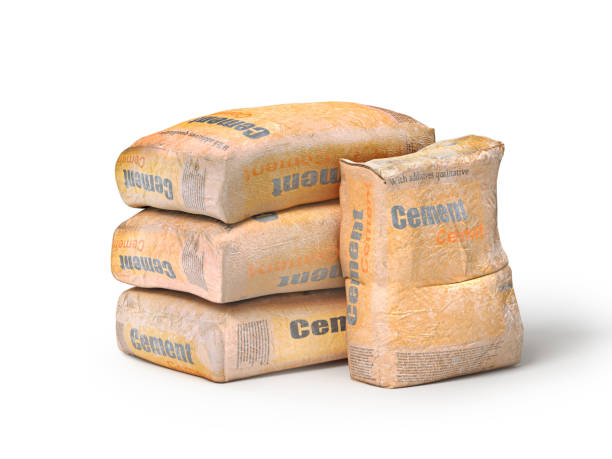

There’s something almost invisible about cement when you look at a finished building. You notice the paint, the glass, the design — but never the material holding everything together. And yet, if you’ve ever been close to a construction site, you’ll know… cement is where the real story begins.
Not in a dramatic way. No big moment. Just a steady, ongoing process of ordering, storing, using — and hoping you got the timing right.
It Starts With a Plan, But Rarely Stays That Way
Every project begins with a neat estimate. Engineers calculate quantities, contractors map out timelines, and on paper, everything looks controlled. But construction has its own personality. Weather shifts. Labor availability changes. Small delays turn into longer ones.
That’s when cement planning gets tested.
Ordering too early feels safe — until bags start sitting longer than they should. Ordering too late? That’s worse. Work stops, workers wait, and suddenly the entire schedule feels fragile.
Somewhere in between lies that sweet spot. Not perfect, just… manageable.
The Logic Behind Bulk Buying
For mid to large projects, there comes a point where frequent small purchases stop making sense. Transport costs add up, supplier coordination becomes messy, and consistency becomes harder to maintain.
That’s where cement bulk orders naturally enter the picture.
Bulk ordering, when done right, simplifies things. Fewer deliveries, better pricing, and often more uniform quality. It brings a certain rhythm to the project — materials arrive in predictable volumes, and work can flow accordingly.
But it’s not a shortcut. You trade convenience in ordering for responsibility in handling. Storage needs to be sorted. Moisture protection becomes critical. And you need to keep an eye on usage so nothing sits idle for too long.
It’s a bit like buying groceries in bulk — great idea, as long as you don’t let things spoil in the corner.
Suppliers: More Than Just Vendors
You might think cement is cement — just pick the cheapest supplier and move on. But anyone who’s been through a few projects knows it’s not that simple.
Suppliers bring more than material. They bring reliability, or sometimes the lack of it.
A good supplier understands urgency. They don’t just drop off cement; they coordinate with your timeline. If there’s a delay, they inform you early. If plans change, they adapt.
On the other hand, a cheap but inconsistent supplier can quietly disrupt everything. Late deliveries, quality issues, communication gaps — it all adds up.
So over time, most builders stop chasing the lowest price. They start valuing predictability instead.
Timing Isn’t Just Important — It’s the Whole Game
There’s this misconception that construction is all about materials and labor. But really, it’s about timing.
Cement demand isn’t constant. There are phases where you need large quantities quickly — foundation work, slab casting — and others where usage slows down.
Managing the supply of cement in order becomes less about volume and more about sequence. It’s about aligning deliveries with actual site activity.
Get this right, and the site feels alive — work moving smoothly, no unnecessary pauses. Get it wrong, and even small delays start to echo across the project.
And timing, unlike cost, is something you can’t easily fix later.
Storage: The Detail Everyone Knows, Few Follow
Ask anyone in construction about cement storage, and they’ll tell you the basics. Keep it dry. Stack it properly. Avoid ground contact.
Simple enough, right?
But real sites aren’t always ideal. Space is limited. Weather isn’t predictable. Sometimes, storage becomes an afterthought — until it causes problems.
Moisture is the silent enemy here. Even slight exposure can affect cement quality. It doesn’t always show immediately, which makes it even trickier. By the time issues appear, the damage is already done.
For bulk orders, this becomes even more critical. You’re not just managing material — you’re managing risk.
The Small Decisions That Shape Big Outcomes
What’s interesting about cement supply is how unremarkable it feels in the moment. Placing an order, choosing a supplier, arranging storage — none of it feels like a big deal.
But over time, these small decisions stack up.
A slightly delayed delivery might push back a critical task. Poor storage might weaken material strength. Inconsistent supply might create gaps in workflow.
Individually, they’re manageable. Together, they shape the entire project experience.
A More Human Way to Look at It
For all the planning tools, spreadsheets, and schedules, construction still runs on people. Decisions aren’t always perfectly calculated. Sometimes they’re based on instinct, past experience, or even a quick conversation on-site.
And that’s okay.
In fact, it’s often what keeps things moving when plans don’t go as expected.
Cement supply, in that sense, isn’t just a technical task. It’s part logistics, part judgment, part relationship management. A mix of structure and flexibility.
Wrapping It Up, Quietly
At the end of the day, cement doesn’t demand attention. It doesn’t stand out in the final result. But everything depends on it — quietly, consistently.
Managing its supply isn’t about doing something extraordinary. It’s about getting the basics right, again and again. Planning a little ahead, adjusting when needed, and staying aware of the details that are easy to ignore.
Because in construction, the projects that succeed aren’t always the ones with the biggest budgets or boldest designs.
They’re the ones where even the simplest things — like cement — are handled with care.