

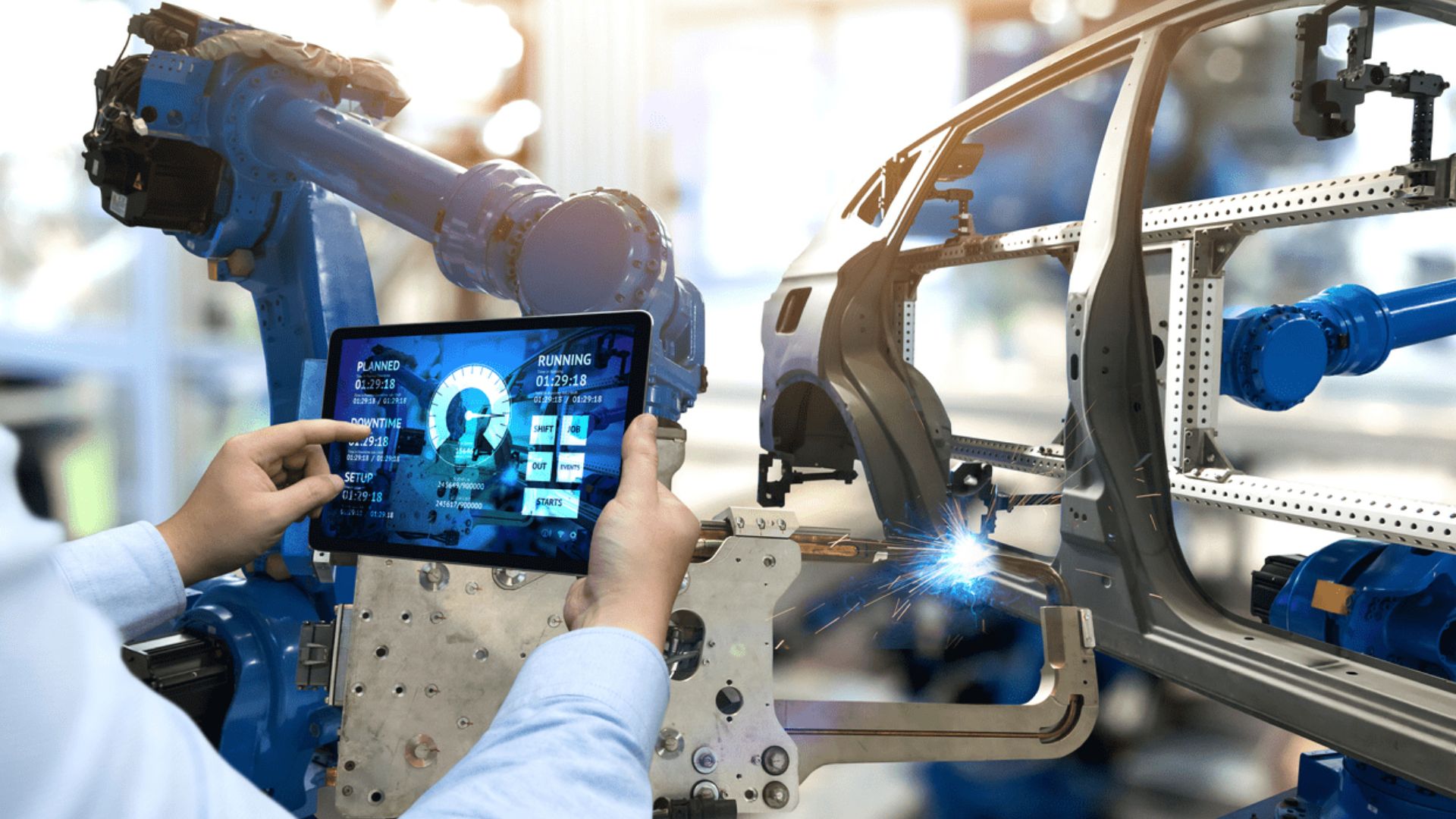

In the realm of manufacturing and quality control, precision and accuracy are paramount. Traditional inspection methods often fall short in meeting the demands of modern production lines. However, with the advent of machine vision technology, automated inspection processes have undergone a remarkable transformation. Let’s explore the profound impact of machine vision on automated inspection and its significance in various industries.
Understanding Machine Vision Technology
Machine vision technology involves the use of cameras, sensors, and sophisticated algorithms to inspect and analyze objects or components in real-time. By mimicking the human visual system, machine vision systems can detect defects, measure dimensions, and ensure product quality with unparalleled speed and accuracy.
Enhanced Speed and Accuracy
One of the primary benefits of machine vision technology is its ability to perform inspections at high speeds without compromising accuracy. Unlike manual inspection methods, which are prone to human error and fatigue, machine vision systems can inspect thousands of components per minute with consistent precision. This speed and reliability are crucial for maintaining efficient production processes and meeting stringent quality standards.
Defect Detection and Classification
Machine vision systems excel in detecting and classifying defects that may be imperceptible to the human eye. Whether it’s identifying surface scratches, dents, or color variations, machine vision algorithms can analyze images captured by cameras and accurately classify anomalies based on predefined criteria. This capability not only ensures that defective products are promptly identified and removed from the production line but also helps manufacturers pinpoint root causes of defects for process improvement.
Dimensional Measurement and Verification
In addition to defect detection, machine vision technology enables precise dimensional measurement and verification of components. By analyzing images and comparing them to predefined specifications, machine vision systems can ensure that parts meet exacting tolerances and specifications. This capability is particularly valuable in industries where precise measurements are critical, such as automotive manufacturing, electronics, and aerospace.
Adaptability and Flexibility
Machine vision systems are highly adaptable and can be easily integrated into existing production lines or customized to meet specific inspection requirements. Whether it’s inspecting different types of products, accommodating variations in lighting conditions, or adapting to changes in production processes, machine vision technology offers unparalleled flexibility and scalability.
Reduced Costs and Improved Efficiency
By automating inspection processes, machine vision technology helps manufacturers reduce costs associated with manual labor, rework, and product recalls. By detecting defects early in the production process, machine vision systems prevent defective products from reaching the market, thus minimizing scrap and rework costs. Moreover, automated inspection ensures consistent quality and reduces the need for human intervention, leading to improved overall efficiency.
Conclusion
Machine vision technology has revolutionized automated inspection processes, offering unprecedented speed, accuracy, and reliability. From defect detection and classification to dimensional measurement and verification, machine vision systems play a pivotal role in ensuring product quality and process efficiency across various industries. As technology continues to advance, machine vision technology will undoubtedly remain a cornerstone of modern manufacturing and quality control, driving innovation and excellence in automated inspection practices.