

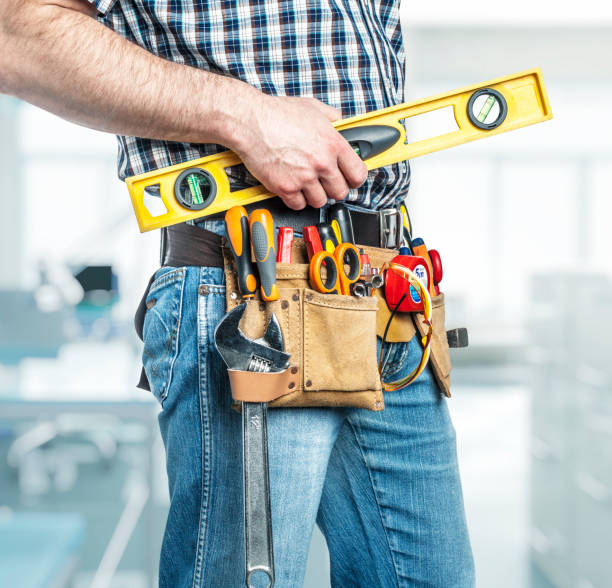

Living in an older house often means putting up with little things that no longer work quite right. Drawers get stuck, bathroom fixtures become unreliable, and years of wear leave certain parts of the house harder to use. Many of these problems can be corrected through minor repairs, allowing homeowners to keep their existing features without spending money on major renovations.
Fixing the Parts of a House That No Longer Work Properly
Older homes often have working components that need attention rather than replacement. Worn drawer slides, loose shelving, damaged closet rods, and cabinet doors that refuse to close can make everyday tasks frustrating. Handyman contractors can inspect these fixtures, replace failed parts, and correct mounting problems while keeping the original cabinets and storage areas intact. The goal is to restore normal use without disturbing materials that remain in good condition.
Small mechanical problems deserve attention before they cause additional damage. For example, a loose shelf bracket may gradually pull away from the wall, especially when loaded with heavy objects. Replacing unsuitable fasteners and securing the bracket to proper supports can prevent the shelf from collapsing. Repairs like these also help homeowners get more use from existing fixtures instead of buying replacements unnecessarily.
Repairing Worn Surfaces Without Replacing Entire Sections
Minor surface damage can make an otherwise well-maintained house look neglected. Scuffed walls, chipped corners, damaged baseboards, and small holes from old wall fixtures are usually repairable without replacing large sections of material. Drywall patches, joint compound, wood filler, and careful sanding help prepare these areas for finishing. A homeowner searching for a handyman near me can ask about patching several damaged spots during one appointment. Older plaster walls, however, may need different repair materials and techniques than modern drywall.
Addressing Bathroom and Kitchen Problems That Build Up Over Time
Years of daily use can leave bathrooms and kitchens with loose accessories, worn sealant, and fixtures that no longer operate smoothly. A showerhead may leak at its connection, a cabinet handle might pull away from its mounting holes, or an aging toilet seat may become unstable. Minor repairs can restore these items without requiring new countertops, cabinets, or plumbing fixtures. A Huntsville handyman may be able to handle suitable accessory replacements, caulking, and basic fixture maintenance.
Water exposure makes timely repairs particularly important in these rooms. Cracked sealant around sinks and tubs can allow moisture to reach nearby surfaces, while loose accessories may damage tile or wall finishes. Replacing deteriorated caulk requires removing the old material, cleaning the joint, and allowing the surface to dry before applying new sealant. Persistent leaks, soft flooring, or recurring dampness should receive further inspection because surface repairs alone cannot correct hidden water damage.
Restoring Storage Spaces That Have Become Difficult to Use
Closets, pantries, and utility rooms often develop problems after years of repeated loading. Shelf supports can loosen, closet rods may sag, and sliding closet doors sometimes come off their tracks. These issues make storage less convenient and may eventually damage surrounding walls or cabinetry. A repair may involve replacing brackets, adjusting tracks, or adding appropriate support for heavier items.
Proper weight distribution also matters when restoring storage areas. Long shelves without enough support may bend under stored belongings, even if their brackets remain attached. Homeowners comparing handyman services near me can ask whether a contractor can inspect existing mounting points and recommend suitable hardware. Reinforcing a shelf or replacing worn sliding components may be enough to make the space useful again without installing an entirely new storage system.
Organizing Minor Repairs Before They Become Larger Projects
An older home may have several unfinished repairs spread across different rooms, making it difficult to decide where to begin. Grouping tasks by location and urgency helps homeowners identify which problems affect safety, daily use, or ongoing wear. Loose handrails and unstable fixtures should take priority over cosmetic damage, while active plumbing or electrical problems may require licensed specialists. A clear repair list also helps determine which tasks can reasonably be completed during one service appointment.
For households with several small repairs waiting for attention, Odd Jobs offers handyman services. The company handles work such as drywall patching, cabinet hardware installation, minor household repairs, and shelving installation. Its scheduled half-day and full-day service options give homeowners an opportunity to address several manageable problems in one visit, helping older rooms become easier to use without unnecessary replacement work.