

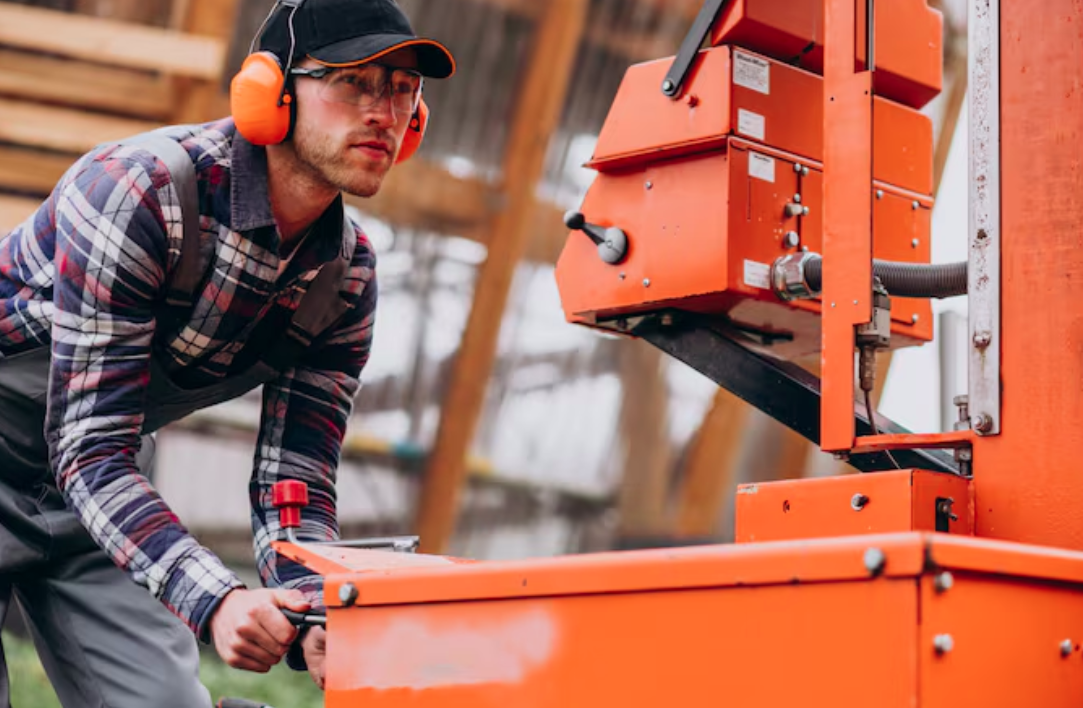

Investing in reliable machinery is a critical decision for anyone managing a property, running a landscaping business, or maintaining a large garden.
Whether you are purchasing mowers, chainsaws, or trimmers, the initial cost is only one part of the equation. To ensure that your tools provide years of service, you must focus on durability, engine efficiency, and the long-term support provided by the manufacturer.
By carefully analyzing the essential requirements of power equipment, you can make informed decisions that protect your investment and improve your overall operational efficiency.
Evaluating Engine Durability and Efficiency
The engine is the heart of any mechanical tool. When selecting machinery, look for power plants that are designed for high-stress environments.
Professional-grade engines are typically built with higher-quality alloys and components that can withstand heat and prolonged usage.
Efficiency also plays a role in performance; a fuel-efficient or high-capacity battery system ensures that you can complete larger tasks without constant interruptions.
Choosing high-quality power equipment means prioritizing internal components that are less prone to wear and overheating over time.
Assessing Build Quality and Material Strength
Durability is not just about the engine; it also concerns the chassis, handles, and cutting decks. Machines subjected to rugged outdoor use encounter constant vibration, moisture, and debris. Materials such as reinforced steel, aluminum, or high-impact polymers are essential for surviving daily abuse.
Inspect the construction for solid joints and well-protected internal wiring. A machine that feels heavy and sturdy is often a better long-term performer than a lighter, cheaper model that utilizes fragile plastic parts that may crack under pressure.
Analyzing Ease of Maintenance and Repair
Even the most expensive machinery will eventually require service. Consider how accessible components like spark plugs, filters, and air intakes are for routine cleaning.
If a machine requires a specialized technician for even the most basic adjustment, your downtime will increase significantly. Before finalizing a purchase, check the availability of replacement parts in your region.
Opting for power equipment from brands that maintain a robust network of service centers and an easy supply of spare parts ensures that you can quickly resolve issues when they inevitably arise.
Comparing Warranty and After-Sales Support
A manufacturer’s warranty is a strong indicator of their confidence in their product. Longer warranty periods often correlate with better construction and more rigorous testing.
However, the warranty is only valuable if the customer support team is responsive and easy to work with. Research the reputation of the company regarding its support services.
Reliable after-sales care, including clear manuals and helpful technical advice, makes the difference between a frustrating experience and a seamless one when you need assistance.
Matching Capacity to Your Specific Workload
One of the most common mistakes is purchasing machinery that is either undersized or excessively powerful for the intended task. Forcing a small tool to perform heavy-duty work leads to premature failure of the motor and drive system.
Conversely, buying professional-grade tools for minimal use might be an unnecessary expenditure. Assess your specific terrain and the frequency of use to determine the right power level.
Matching your needs with the appropriate class of power equipment prevents unnecessary stress on the machinery and extends its operational lifespan.