

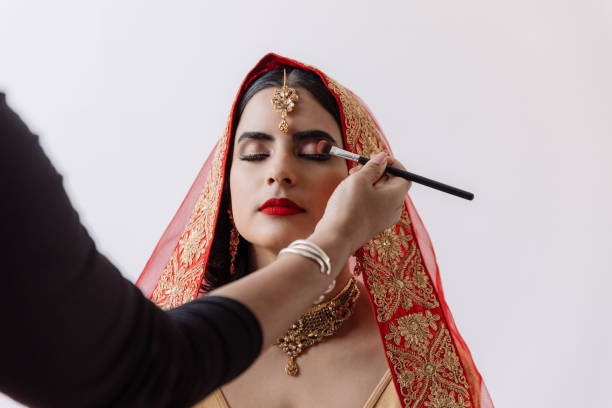

My cousin got married last winter and she told me something afterwards that I have been thinking about ever since. She said the one thing she wished she had spent more time on was finding the right makeup artist. Not the venue, not the catering, not even the lehenga — the makeup. Because the lehenga came off at the end of the night, the flowers wilted, and the food was eaten. But she is in those photographs forever. And the way she looked in those photographs is something she will show her children and grandchildren for the rest of her life.
That perspective reframes the entire conversation around hiring a bridal makeup artist. It is not an expense in the same category as flowers or music. It is a decision that shapes how you are remembered on the most photographed day of your life. And it deserves the same thoughtfulness that goes into any other major wedding decision.
What Makes a Makeup Artist Right for a Bride
Not every skilled makeup artist is the right fit for every bride. The qualities that matter most go beyond technical skill — though that is obviously essential — and extend into how well the artist listens, how they handle the nerves and emotions of a wedding morning, and whether their aesthetic sensibility aligns with yours.
An artist who specialises in bold, editorial looks may not be the right choice for a bride who wants something soft and natural. An artist whose portfolio is full of heavy contouring and dramatic eyes may produce beautiful work that simply does not feel like you on a day when feeling like yourself matters enormously. Looking at a portfolio is necessary, but it is not sufficient. You also need to understand the artist’s range — whether they can adapt their style to match your vision, or whether their signature look will end up on your face regardless of what you asked for.
The trial session is where this alignment gets tested. A trial is not a luxury for brides who are being extra cautious — it is a professional standard that serious bridal makeup artists insist on because it protects both the bride and the artist. It establishes what the bridal look will be before the wedding day, identifies any skin sensitivities or product reactions in advance, and gives the bride the experience of wearing the full look for several hours to see how it holds up and how she feels in it.
The Technical Skills That Separate Good from Great
Bridal makeup has specific technical demands that differ from everyday or fashion makeup. Longevity is the first one. A bridal look needs to perform through rituals, ceremonies, dancing, outdoor photographs in harsh light or humid heat, emotional moments, and long hours without access to touch-up support. The products and techniques used have to be chosen with that endurance in mind, not just with how the look appears freshly applied in a controlled setting.
Photography performance is the second major technical consideration. Makeup that looks beautiful in person does not always translate well to different lighting conditions and camera formats. Flash photography can flatten depth and wash out colour in ways that require specific product choices and application techniques to counteract. Natural light photography has different demands. An artist who has worked on many weddings has encountered these conditions repeatedly and knows how to adapt their work for the photographic environment of the specific wedding.
Skin preparation is the third element that separates results that last from results that fade. The work that happens before any colour is applied — moisturising, priming, managing texture and oil production — determines how well the rest of the look adheres and performs over the course of a long day. Artists who rush through or skip skin preparation produce results that are visible in the afternoon photographs when brides wished they had chosen more carefully.
Indian Bridal Makeup and Its Unique Demands
Indian bridal makeup carries traditions, expectations, and aesthetic complexity that deserve genuine expertise. Whether the wedding is a Hindu ceremony with specific regional influences, a Muslim nikah, a Sikh wedding, or a Christian ceremony with Indian cultural elements, the makeup needs to honour the context while expressing the individual bride’s personality.
Regional traditions vary significantly across India. A Bengali bride’s classic red and white look is entirely different from a Rajasthani bride’s full bridal grandeur. A South Indian bride’s traditional aesthetic differs from a Punjabi bride’s preferences. An artist who has worked across these traditions brings contextual knowledge that goes beyond technical skill — understanding what families and communities expect, what photographs need to convey, and how the bride’s look should relate to the overall visual story of the wedding.
How to Find and Book the Right Artist
The search for a bridal makeup artist should begin well before the wedding — ideally six to twelve months in advance for brides with specific requirements or for those marrying during peak wedding season. Good artists book out early, and discovering that your first choice is unavailable on your date with only two months to the wedding is a stressful situation that can be avoided entirely with earlier planning.
Platforms like BridalConnect have made this search significantly easier by creating curated spaces where brides can find, review, and connect with qualified bridal makeup artist professionals across India. The ability to see genuine portfolios, read real reviews from previous brides, and compare artists across style, geography, and budget in one place transforms what was once a word-of-mouth search into a transparent, informed decision. Your wedding photographs last a lifetime — the process of choosing who creates your look for them deserves that level of care.