


I used to underestimate this too
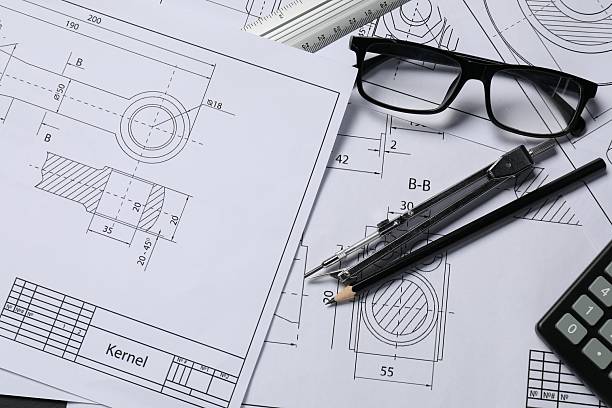
Funny story: a few years back, I thought patent stuff was all about words — pages and pages of legal jargon. Then I met someone who nearly lost their whole design patent because the visuals looked like a kindergarten art project. That’s when I realized how critical Design Patent Drawings really are. It’s weird, because most folks think you just toss in a couple of sketches and you’re done. Nope. In design patents, the drawings are the patent. They’re not an accessory, they’re the main event.
This is the kind of thing that doesn’t click until you see what sloppy drawings do to an application. And honestly, when I first dug into examples online, some looked so unclear I wondered if the inventor was describing a toaster or a spaceship.
Drawings aren’t just visuals, they’re legal boundaries
Imagine you’re trying to sell a cool pair of sneakers, but all you have is a descriptive paragraph: “It’s kinda like a shoe but with style.” That’s basically what a patent without solid drawings is like. Patent examiners don’t sit there and imagine your design in their head. They look at the drawings. If something’s missing, ambiguous, or inconsistent? They’ll come back at you with objections, and suddenly your “simple” design patent is in revision purgatory.
Good Design Patent Drawings define exactly what your design is and isn’t. They show every angle, every curve, every tiny detail that makes your design unique. And they follow strict rules — no guessing, no creative liberties, just clarity.
Why examiners are picky
Patent examiners have seen thousands of applications, and they know what they’re looking for. If your drawings are messy, missing views, or inconsistent, they’ll send you back to fix it. Online patent communities are full of folks sharing examples of terrible drawings — guys, some of these look like abstract art! It’s kind of funny, but also kind of sad, since a bad drawing can torpedo your patent.
I once read a comment in a patent forum that said, “If your drawing looks like it was done during a coffee break, don’t be surprised when the examiner reacts like you did it during a coffee break.” That really stuck with me. And it’s true — clarity and precision matter.
Little details that trip people up
People often miss how technical design patent drawings are. There’s a reason you see front, back, side, top, and perspective views — because each view tells a piece of the story. Leave one out, and you risk someone saying, “Well, I’m not sure what that side looks like — what if it’s different?” That uncertainty weakens your patent.
And shading? That’s not just decoration. Shading can show surface contour. Broken lines can show unclaimed parts. Mess that up, and you could accidentally limit what your patent actually covers. It’s like showing someone only half of your picture and asking them to guess the rest.
Real talk — DIY rarely works
I get it. You might think, “I can sketch this myself, why pay for professional drawings?” But unless you’ve studied patent drawing standards, you’ll probably miss something. And those small mistakes add up. You end up in back-and-forth with the patent office, wasting time and money.
It’s like trying to file your own taxes without knowing the code — sure, you can try, but that audit waiting at the end of the tunnel isn’t worth it.
A client story that teaches a lot
A while back, a startup I know had this cool ergonomic bottle design. They tried submitting their own drawings to save a few bucks. When their attorney saw them, the feedback was brutal: “these are not compliant.” They looked okay to the untrained eye, but they were missing critical views and had inconsistent line weights. Oops.
Once they switched to professional Design Patent Drawings, everything changed. The drawings were cleaner, clearer, and examiner-friendly. When the patent got approved, the founder joked, “Guess I should’ve started here.” Probably the understatement of the year.
Why social media chatter actually matters
Patent pros and inventors on LinkedIn and Reddit often share horror stories about bad drawings. There’s a running joke in some circles about people submitting drawings that resemble doodles from a napkin. That’s funny until you realize those are real applications being rejected or delayed.
One comment I saw said drawings should be “so clear your grandma could see what you mean.” That’s a great rule of thumb. If your grandma squints and guesses, it’s not clear enough.
My unfiltered opinion
Honestly, investing in professional Design Patent Drawings is one of the smartest moves an inventor can make. You might be tempted to cut costs or rush through it, but anyone who’s been through the patent process will tell you — clarity upfront saves headaches later.
It’s like building a house: you wouldn’t skip the blueprint stage and hope the builder “gets it,” right? Same idea. Those drawings are your blueprint for legal protection.