

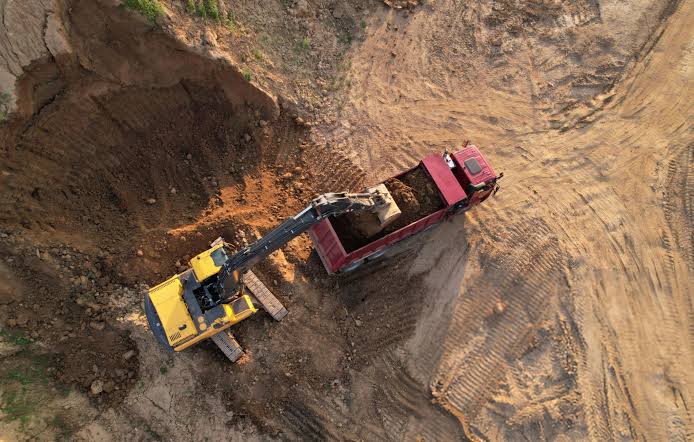

Beautiful lawns and planting beds can lose their appeal quickly if the ground underneath cannot support healthy growth. Poor soil, buried debris, and uneven surfaces often cause problems that watering and fertilizer cannot fix. Good ground preparation addresses these conditions before new landscaping goes in, giving plants and outdoor surfaces a better chance of holding up over time.
Clearing Away What Should Not Stay Underground
Old roots, construction scraps, and buried stumps can cause trouble long after a yard looks finished. As woody material decomposes, the surrounding soil may settle and leave dips in lawns or planting beds. Contractors remove unwanted vegetation and unsuitable debris before bringing in fresh soil. Property owners searching for land clearing services near me should ask whether stump removal and underground debris cleanup are included. Existing trees also need protection because unnecessary digging around their roots can weaken them. Clearing should focus on areas where vegetation interferes with the planned improvements.
Does the Existing Soil Support Healthy Plant Growth?
Grass and shrubs need soil that provides nutrients, holds enough moisture, and allows roots to breathe. Heavy clay can restrict drainage, while sandy soil may lose water too quickly. A soil test helps identify pH and nutrient problems before amendments are applied.
Adding compost can improve certain soil conditions, but it cannot solve every problem. Contractors may need to replace unsuitable fill, loosen compacted ground, or incorporate amendments into the existing soil. Matching preparation methods to soil conditions prevents unnecessary spending on products that offer little benefit.
Getting the Yard’s Slope Right Before Planting
Uneven ground affects more than the appearance of a finished lawn. Depressions collect rainwater, while poorly directed slopes can send runoff toward foundations and outdoor structures. Grading establishes suitable elevations before topsoil, sod, or mulch is installed. Operators consider surrounding pavement, building entrances, and existing drainage routes when shaping the surface. A yard does not need to be completely flat, but its contours should allow water to move without washing soil away. Correcting these elevations early prevents damage to newly planted areas.
Why Compacted Ground Needs Attention First
Construction traffic and repeated equipment use can squeeze soil particles together, leaving little space for water and air. Roots struggle to spread through these dense layers, which can result in weak grass and poor plant growth.
Loosening compacted soil improves rooting conditions, although the method depends on the severity of the problem. Core aeration can help established lawns, while heavily disturbed areas may require deeper mechanical loosening before planting. Contractors should avoid working wet clay because equipment can compress it further.
Keeping Drainage Problems From Ruining New Landscaping
Standing water can damage plant roots, encourage turf diseases, and carry soil away from exposed areas. Poor drainage may result from compacted ground, low elevations, or runoff arriving from nearby slopes. Contractors assess where rainwater collects before deciding whether grading changes, surface channels, or underground drains are appropriate. Homeowners searching for landscaping near me should consider providers who can address these underlying conditions rather than simply replacing damaged grass. Drainage outlets also need suitable discharge locations that do not create problems for neighboring properties.
What Makes Topsoil Ready for Sod and Planting?
Fresh topsoil is useful only when its composition and placement suit the intended plants. Material containing excessive stones, construction debris, or poorly mixed clay may interfere with root development.
Installers spread suitable soil evenly and prepare a firm, workable surface before laying sod. Loose ground may settle unevenly, while heavily compacted soil can limit root growth. A landscaper near me who handles soil preparation can help determine whether existing material needs improvement or replacement.
Preparing Cleared Land for Its Next Purpose
Previously wooded or overgrown properties often need additional work after vegetation removal. Stump holes, exposed roots, and disturbed soil can leave the surface unsuitable for immediate planting. Professional land clearing services may be followed by debris removal, filling, rough grading, and erosion control. Property owners comparing land clearing companies near me should check whether contractors can complete these related tasks. Coordinating clearing and grading reduces the chance of equipment damaging finished surfaces later. Areas intended for lawns also need different preparation than spaces planned for gravel or other hard surfaces.
Protecting the Ground During the Final Stages
Good preparation can still be undone if heavy machinery repeatedly crosses newly graded areas. Contractors should plan equipment access and material deliveries before installing delicate landscape features. Temporary ground protection may help where vehicles must pass over prepared soil.
Planting schedules deserve attention as well. Exposed soil can wash away during heavy rainfall, so mulch, erosion blankets, or temporary cover may be needed until vegetation becomes established. Proper watering after installation helps roots grow into the prepared ground.
For property owners, Woods Landscaping & Dirt Work LLC offers land clearing, dirt work, grading, and landscaping services that address both site preparation and outdoor improvements. The company can help remove unwanted vegetation, correct uneven ground, and prepare areas for new lawns and other landscape features. These services are particularly useful for properties with disturbed soil, overgrown sections, or grading problems that need attention before planting begins.