


Building a tennis court is an exciting venture, but it can quickly become costly if not planned carefully. Budgeting effectively ensures the project stays on track, avoids delays, and delivers a court that meets expectations. From choosing materials to anticipating maintenance costs, understanding the key factors in tennis court construction helps create a realistic financial plan.
Planning the Project Layout
Before spending a single dollar, plan the layout of your tennis court. Consider the size, orientation, and surrounding landscape. Proper planning helps prevent unexpected expenses during construction. Even small details, like drainage or fencing placement, can impact the budget. Investing time in this phase reduces costly adjustments later. A well-thought-out plan sets the foundation for a smooth tennis court construction process.
Selecting Materials for Tennis Court Construction
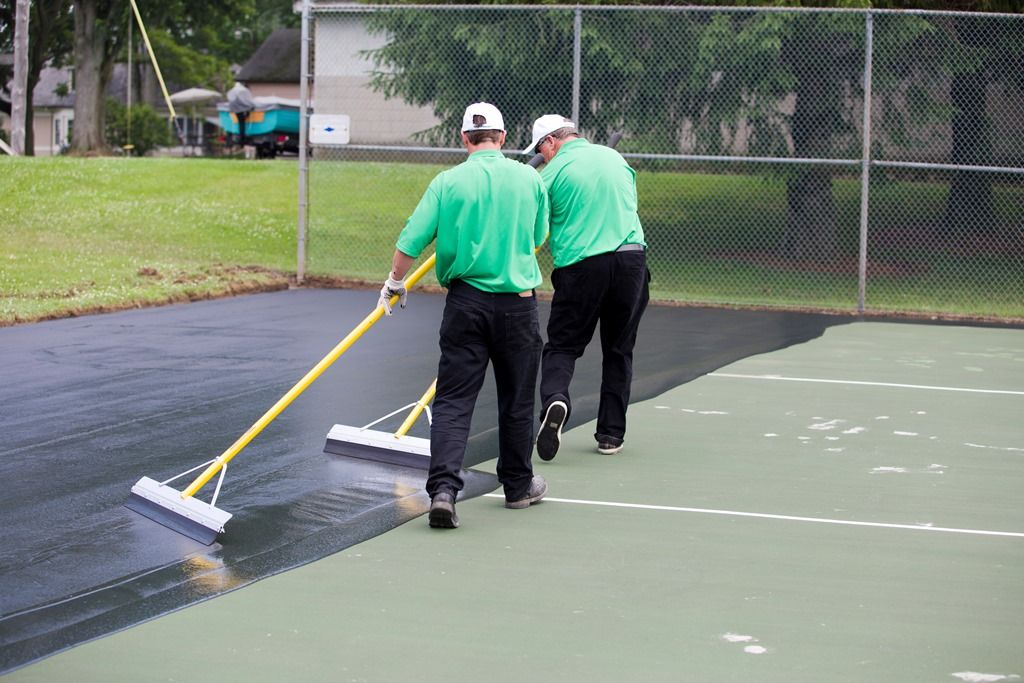
Materials make up a significant portion of your budget. From asphalt and concrete to acrylic coatings, each choice affects cost and durability. High-quality surfaces may have a larger upfront price but save money on long-term maintenance. Choosing the right materials ensures the court remains playable and attractive. Smart selection during tennis court construction can prevent overspending and enhance longevity.
Hiring Reliable Contractors
The right contractor can make or break a project. Experienced professionals understand the nuances of tennis court construction. They can provide accurate estimates, efficient labor, and proper installation. Cutting corners to save money often leads to hidden costs and repairs later. Investing in skilled contractors ensures the budget is used effectively and the project is completed on time.
Incorporating Drainage and Subsurface Work
Ignoring subsurface preparation can create major issues. Proper drainage prevents water damage and uneven surfaces. These elements are crucial during tennis court construction and directly influence long-term costs. Spending on foundational work upfront reduces the risk of expensive repairs down the road. Effective drainage planning is a key step in protecting your investment.
Planning for Accessories and Surroundings
Fencing, lighting, nets, and benches are essential but often overlooked in the budget. Even minor accessories contribute to the overall cost. Considering these expenses early helps avoid last-minute surprises. Thoughtful planning ensures the surrounding environment complements the tennis court construction. Balancing aesthetics and functionality adds value without straining your budget.
Monitoring Project Costs Closely
Track expenses regularly to avoid overspending. Unexpected costs can arise from material price changes or labor delays. Keeping detailed records helps adjust the budget in real time. By monitoring costs closely, you maintain control over the project. Effective tracking prevents surprises and ensures the tennis court construction stays within financial limits.
Planning Maintenance and Longevity
A tennis court requires ongoing care to remain safe and playable. Budgeting for routine maintenance like surface cleaning, coating, and repairs protects your investment. Accounting for these costs during the planning stage helps sustain the court for years. Anticipating future expenses is a smart strategy for any successful tennis court construction project.
Conclusion
Budgeting for tennis court construction is about more than just the initial build. Proper planning, smart material choices, reliable contractors, and careful monitoring all contribute to a successful project. By considering both immediate and long-term costs, you ensure the court remains a source of enjoyment without unexpected financial strain. A well-budgeted project delivers a durable, high-quality tennis court that meets your expectations and enhances your property.