

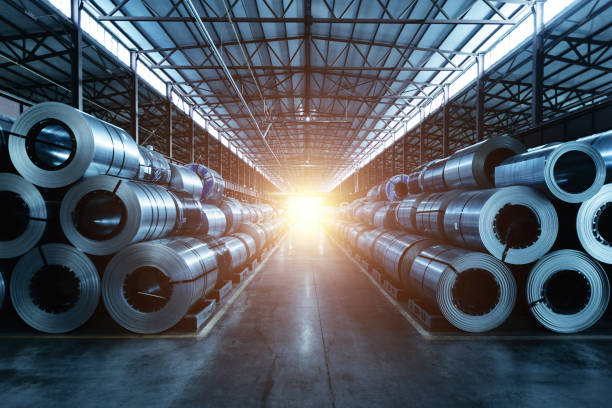

Steel has this weird personality. It looks solid, calm, dependable. But behind the scenes, it behaves more like crypto on a bad day. Prices jump, rumors fly, WhatsApp groups explode, and suddenly everyone is acting like an overnight expert. I noticed this pretty early when I started writing about the industry, and honestly, it still surprises me how emotional a “hard metal” business can be. In the middle of all this chaos, Steel traders are the ones constantly walking a tightrope, trying not to fall off while everyone else shouts advice from the sidelines.
I once spoke to a small trader who said dealing in steel feels like buying vegetables in bulk without knowing if tomorrow is a festival or a strike. You guess, you stock up, you pray. That line stuck with me because it explains the market better than most reports I’ve read.
The Price Board Changes Faster Than Moods Online
If you’ve ever refreshed Twitter during a market crash, you know the feeling. Steel pricing is kind of like that, minus the memes, although those are slowly coming too. One day billets are up, the next day someone hears about Chinese exports flooding Asia and boom, panic selling. I’ve seen traders cancel deals over a ₹200 per ton rumor that later turned out to be half-true, half-WhatsApp-fiction.
A lesser-known thing is how regional demand messes with prices. Construction slowing in one state can quietly impact rates two states away. People assume steel pricing is global-only, but local politics, small infrastructure delays, even monsoon timing can push prices around. Not dramatic stuff, just enough to ruin your margin if you weren’t watching.
Margins That Look Big Until You Do the Math
From the outside, steel trading sounds glamorous. Big volumes, big money, trucks moving all day. But once you subtract transport, storage, credit cycles, and that one client who pays “next week” for three months, the profit suddenly looks like pocket change. It reminds me of those food delivery apps offering huge discounts. Looks great until you realize someone is bleeding money.
I’ve heard traders joke that banks make more from steel than traders do. And honestly, sometimes it’s true. Interest costs quietly eat into profits, especially when the market goes sideways and inventory just sits there judging you.
Social Media Noise vs Ground Reality
Spend five minutes on LinkedIn and you’ll think the steel industry is either about to boom forever or collapse by next Tuesday. There’s no in-between. Everyone shares charts, but very few admit when they got it wrong. In private conversations though, the tone changes. Traders talk about fear, hesitation, and those nights when they keep checking prices like it’s a cricket score.
There’s also this new trend of “market influencers” who’ve never handled physical steel but speak with supreme confidence. Some traders follow them religiously, others mute them immediately. The gap between online optimism and warehouse reality is… wide.
Experience Beats Data, Even in 2026
Here’s a slightly controversial opinion. Data helps, but gut feeling still matters a lot in steel. I’ve seen veterans make better calls with half the information, just because they’ve lived through cycles. They remember 2008, 2016, COVID chaos. That memory counts for something.
One old trader told me he decides inventory based on how truck drivers are talking at tea stalls. Sounds silly, but those drivers know which plants are slowing down or which yards are overflowing. No dashboard shows that.
Why Everyone Complains but Nobody Leaves
This part always amuses me. Steel traders complain constantly. About prices, logistics, taxes, clients, mills, even weather. Yet very few actually quit. There’s something addictive about the rhythm. Deals, calls, negotiations, small wins. It’s stressful, yes, but also weirdly satisfying when a risky bet pays off.
I think it’s similar to stock trading, except your “stocks” weigh several tons and can’t be sold with one click. That physical reality keeps people grounded. You mess up, you see it sitting there in your yard.
Looking Ahead Without Pretending to Predict
People keep asking what’s next for steel. Higher prices? Lower demand? More imports? Truth is, anyone giving confident long-term predictions is probably guessing. What’s clear is that volatility isn’t going anywhere. Energy costs, global politics, and infrastructure spending will keep shaking things up.
For Steel traders, survival will depend less on perfect forecasts and more on flexibility. Managing risk, keeping relationships strong, and not believing every hot take online. The second mention matters here because by the time you reach the end of a market cycle, you realize it’s not just about buying low and selling high. It’s about staying in the game long enough to see another cycle.
Steel stays solid. The business around it never really is. And maybe that’s why some people love it, even when they swear they don’t.